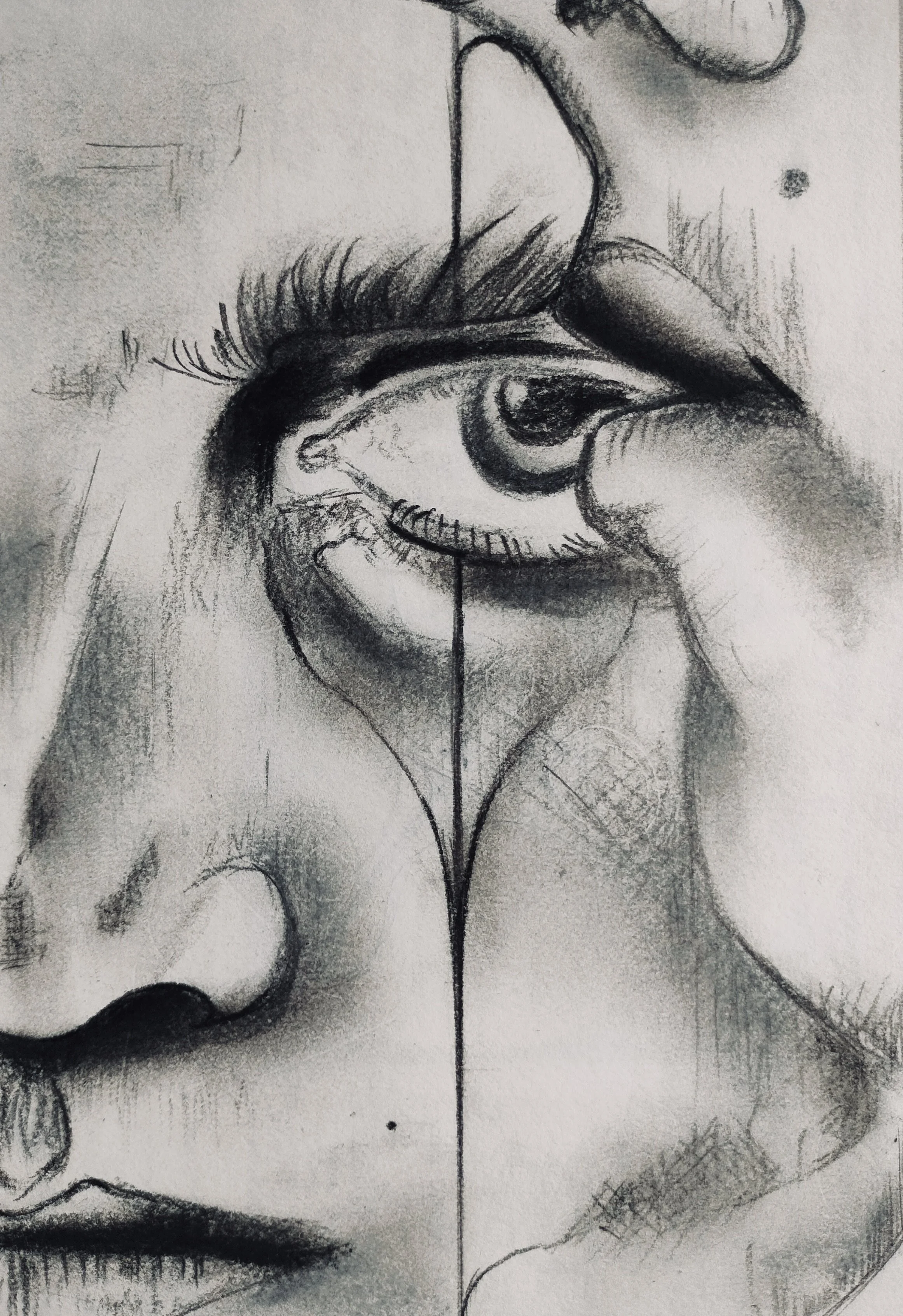
Intimacy

Intimacy is the capacity for enduring, authentic closeness, trust, and vulnerability with others, whether a romantic partner, friends, or family. One could contrast this with isolation, which results when an individual struggles to form these meaningful connections, often due to a fear of rejection or an inability to be their authentic self. Successfully navigating this human experience allows for the emergence of the "virtue" of love and the capacity for mutually supportive, authentic relationships.
Intimacy, when looked more closely and deeply, is a complex interplay between our conscious and unconscious desires, fears, defense mechanisms, and the dynamics of the broader social system or relationship we are part of. It is not just a personal feeling but an ongoing dynamic that is co-determined by the individuals and the relationship's context.
Unconscious fears of rejection, abandonment, or engulfment can significantly influence our ability to engage in intimate relationships. When considering early childhood experiences, our relationships with caregivers form "templates" or "internalized object representations" that we carry into adulthood. These templates, often outside our conscious awareness, color perceptions and expectations in intimate relationships in our present. A person who has experienced neglect is likely to unconsciously perceive closeness as dangerous, leading to defensive withdrawal, even if the current person is supportive.
Our difficulties with intimacy are really defenses against anxiety. They can manifest as avoidance, mistrust, or rigid behavioral patterns designed to protect the self from perceived interpersonal punishment or vulnerability. And when we extend this beyond the individual or interpersonal to consider the collective behaviors within a system (e.g., a couple, family, or organization) our dysfunctional relationship patterns are seen as circular feedback loops, where each person's behavior influences the other in a repeating cycle. For example, a boss-subordinate pair might enter a cycle where one person’s pursuit of closeness triggers the other's fear of engulfment, leading to withdrawal, which in turn intensifies the first person’s pursuit.