groups
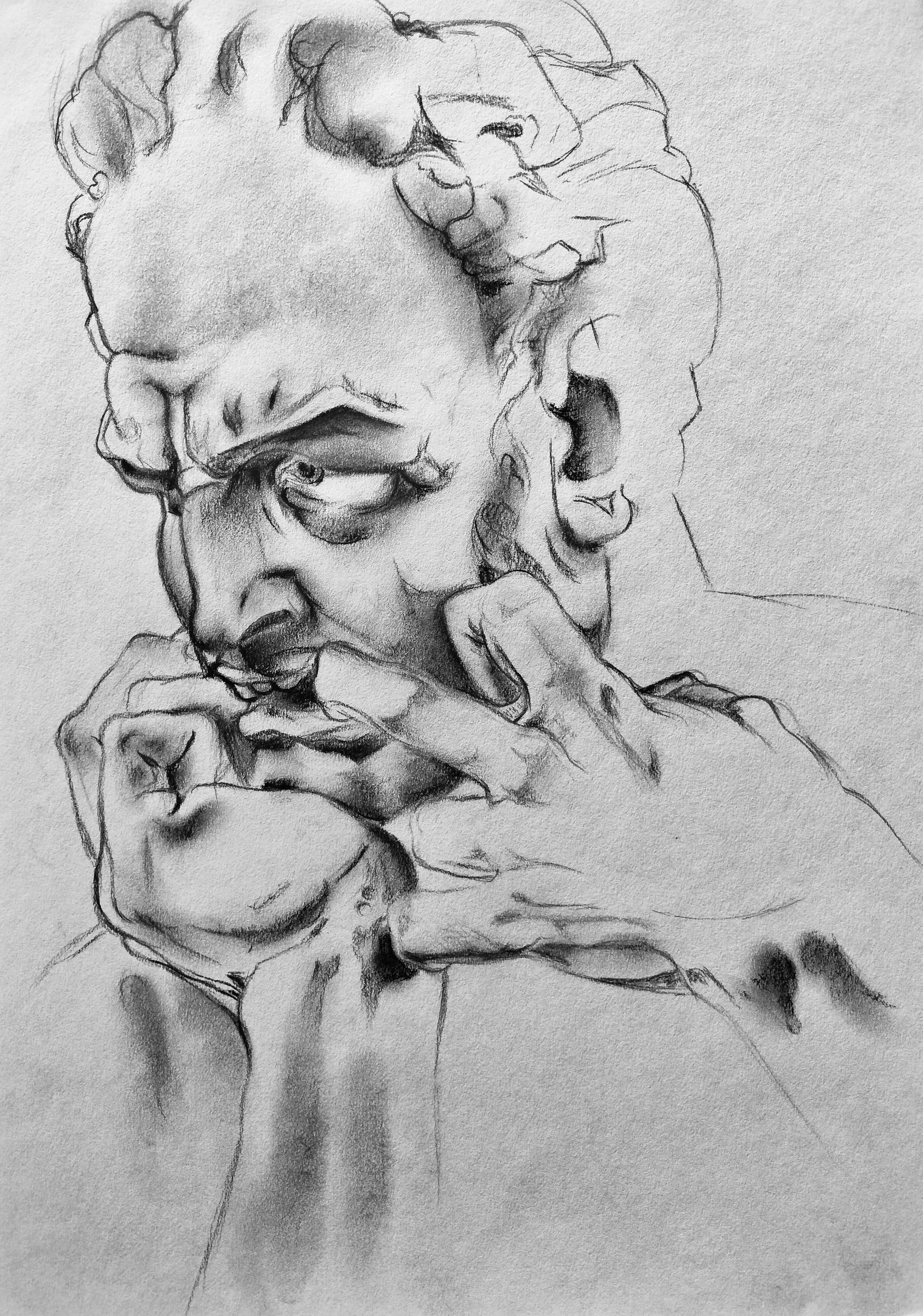
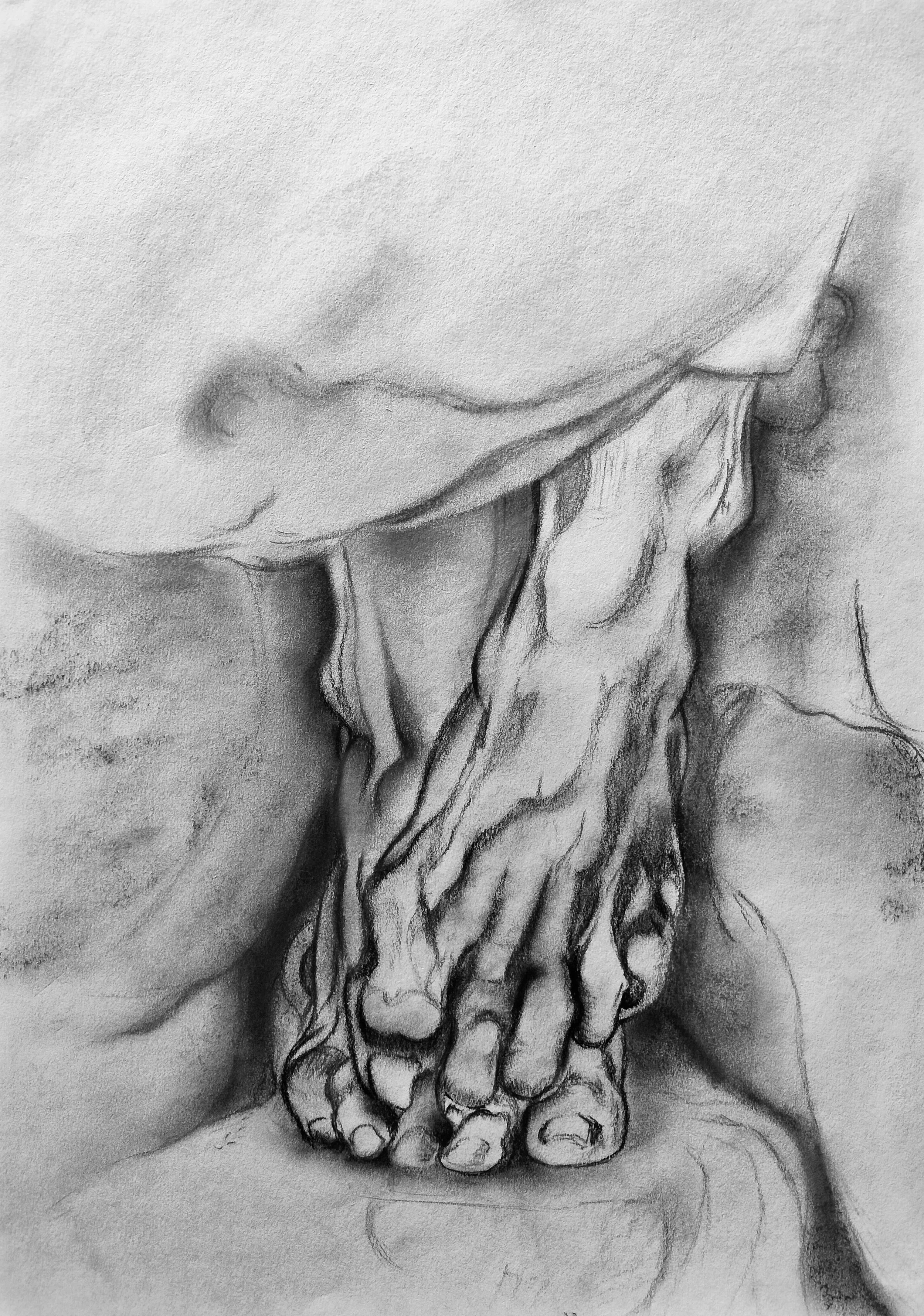
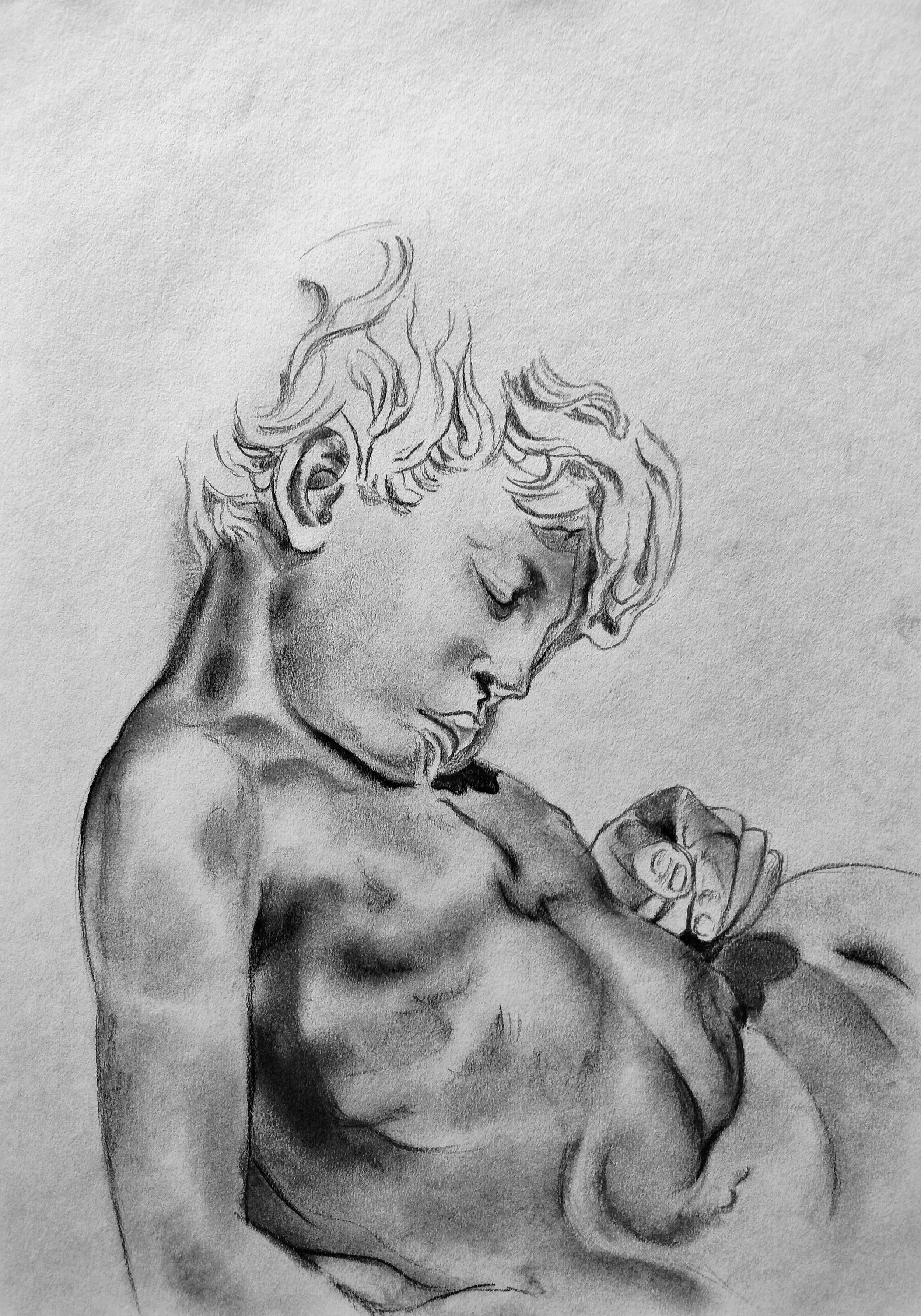
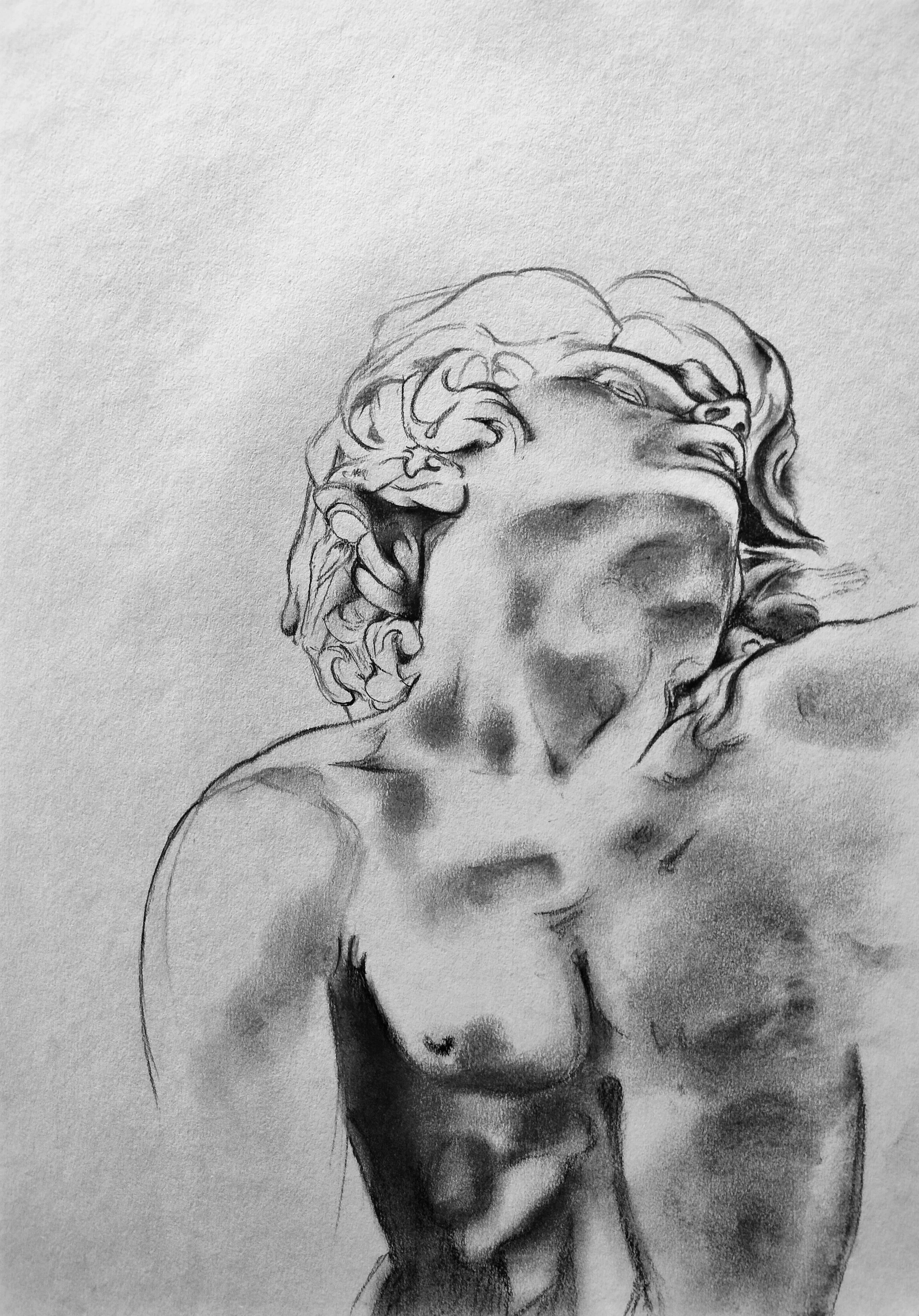
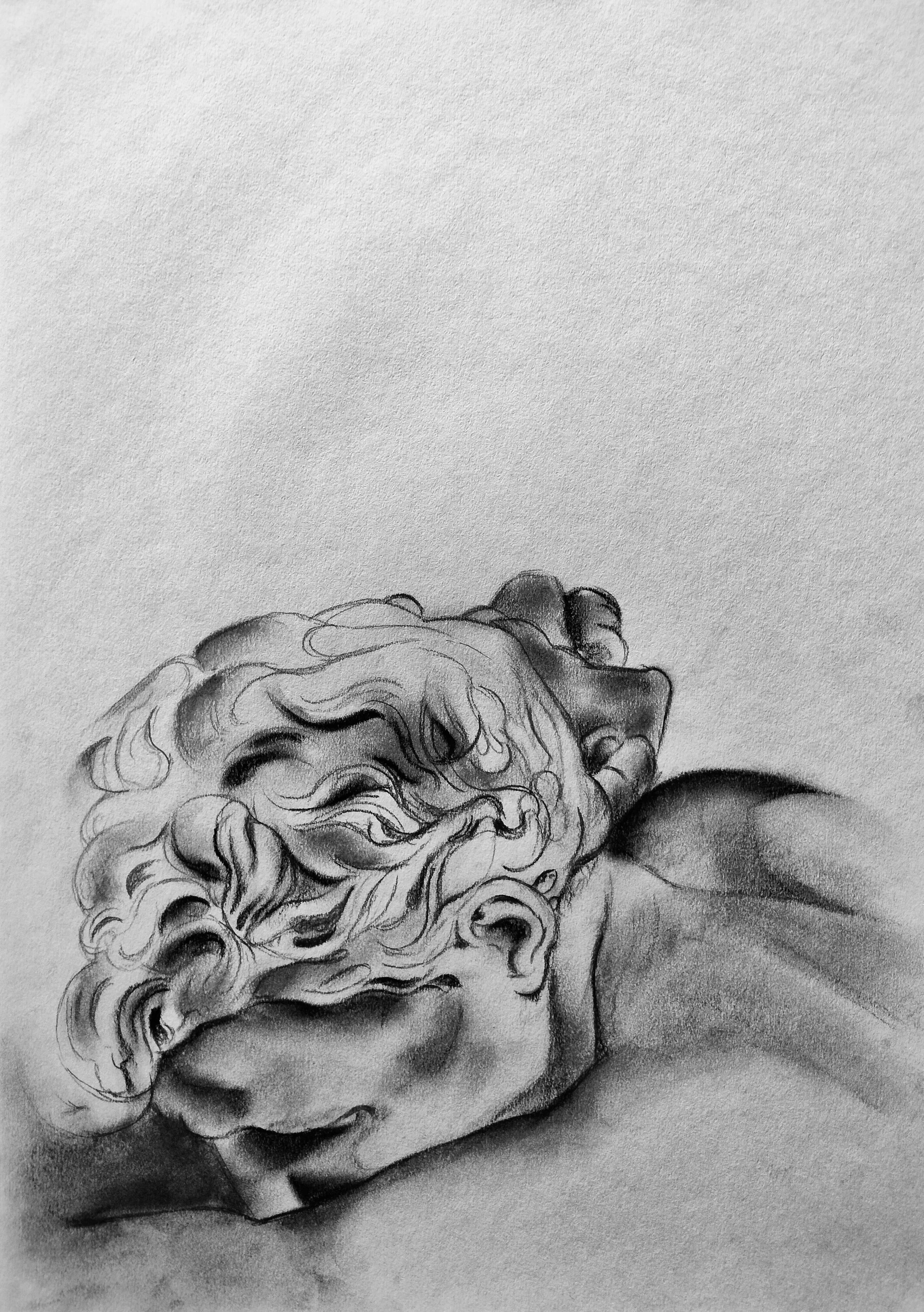
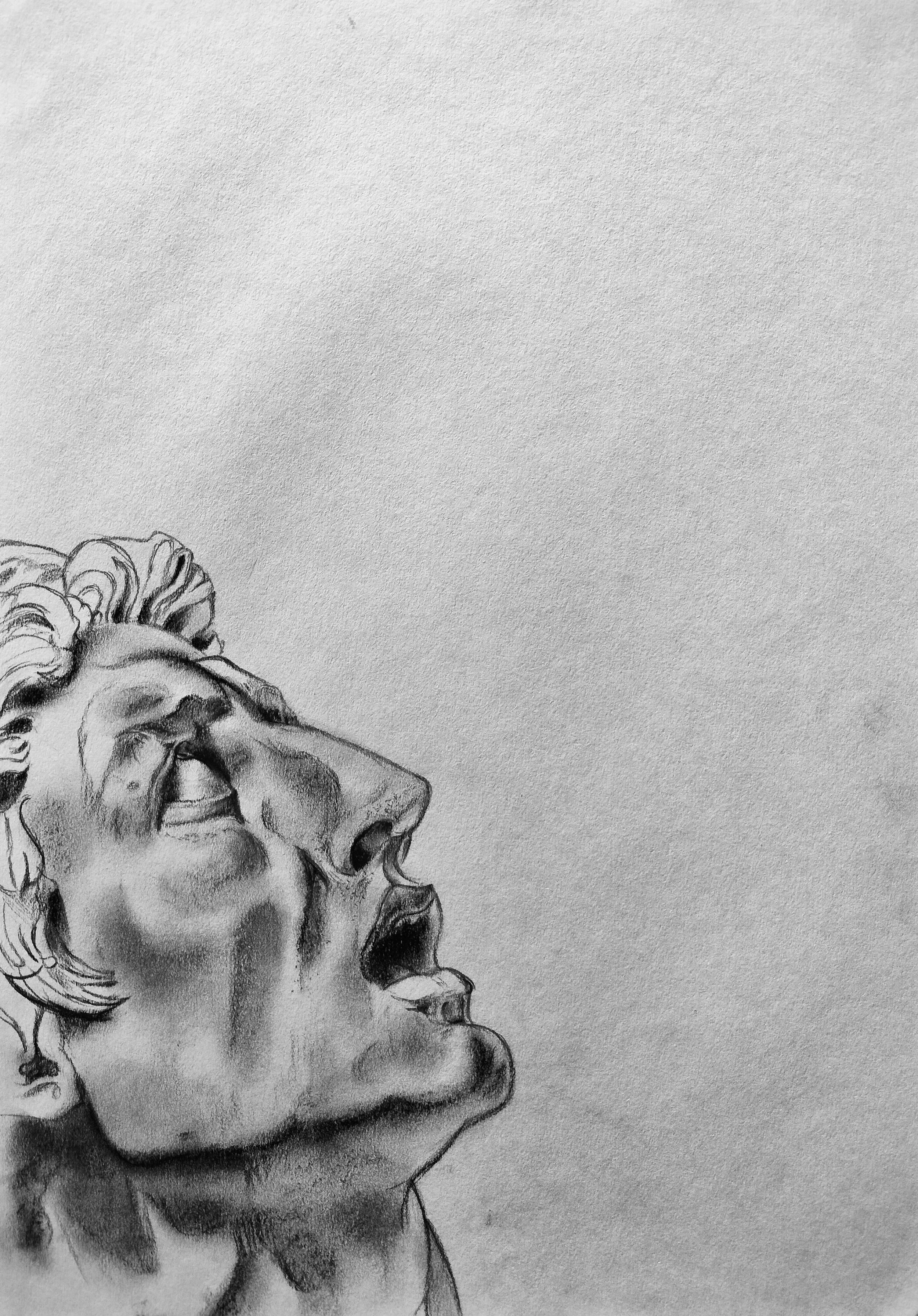
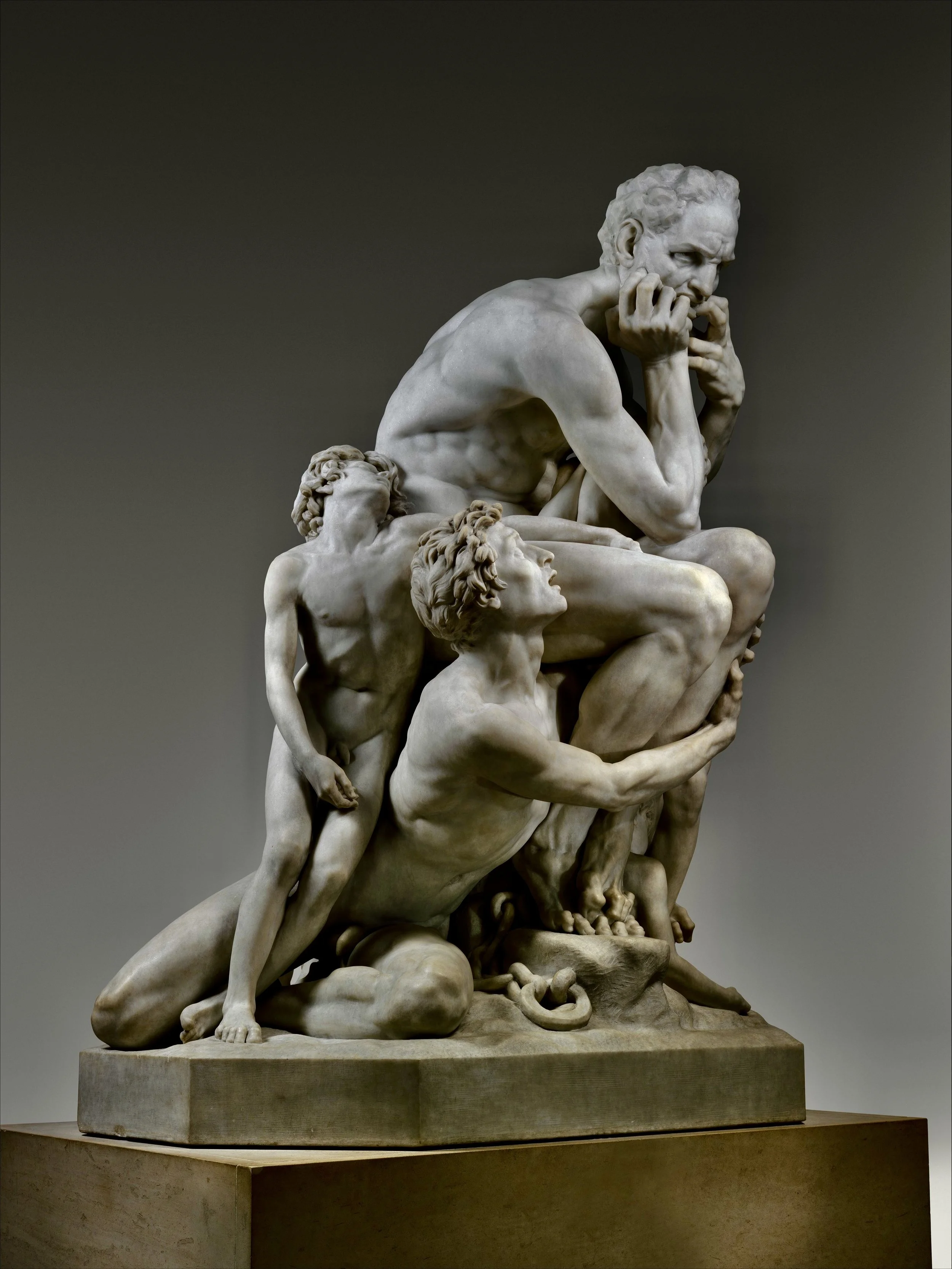
In mid-nineteenth-century, Jean-Baptiste Carpeaux broke away from traditional approaches, shifting to a freer and more naturalistic style. Biographically, his life encompassed a volatile mix of raw talent and rawer ambition, incessant work, grasping parents, a tormented marriage, economic struggle, debilitating illness and some Othello-like paranoia. And his sculptures expressed a previously unseen freedom and immediacy. The subject of this intensely Romantic work, Ugolino and his sons, is derived from Dante's Inferno, which describes how the Count Ugolino, his sons, and his grandsons were imprisoned in 1288 and died of starvation. "Ugolino and His Sons" depicts a father imprisoned with his starving children, his gaze averted as they hold desperately, embodying fractured family bonds under extreme duress where survival instincts erode connection. Ugolino, looking into the distance, is gripped by the agonizing death of his grandchildren and son, as his other son clings to his body.
Ugolino's detachment mirrors a parent's failure to nurture amid crisis, projecting denied hunger as his sons cling in helpless dependence. This raw tableau captures how parental figures—idealized as providers—carry the potential to become distant or destructive when overwhelmed, leaving children in anguished isolation swallowed by the jaws of death.
Groups under pressure, like elusive dream teams chasing CEO or consultant fantasies of perfection, revert to dysfunctional coping rooted in evolutionary psychology. Instinctively becoming pack-like, they alleviate collective anxiety by assigning roles unconsciously, such as casting the leader as an all-knowing father figure or authoritative mother figure—echoing Ugolino's sons' desperate reliance on a withholding parent.
Leadership dynamics demand examining followers, who aren't just reacting to charisma but projecting past figures (parent, sibling) onto leaders, fueling irrational ties that skew interactions. In dream teams, this creates skewed hierarchies: team members perceive the CEO as the nurturing provider or stern authority, much like Ugolino's progeny, leading to resentment when unmet needs surface as paranoia or blame. Such unexamined and unmanaged projections trap teams in avoidance and ineptness, devouring collaboration like Ugolino's cannibalistic torment. Bringing these unconscious parent-child ties to light shifts dynamics from resentment to curiosity and confrontation, transforming limping top teams into thriving ones by fostering genuine understanding.