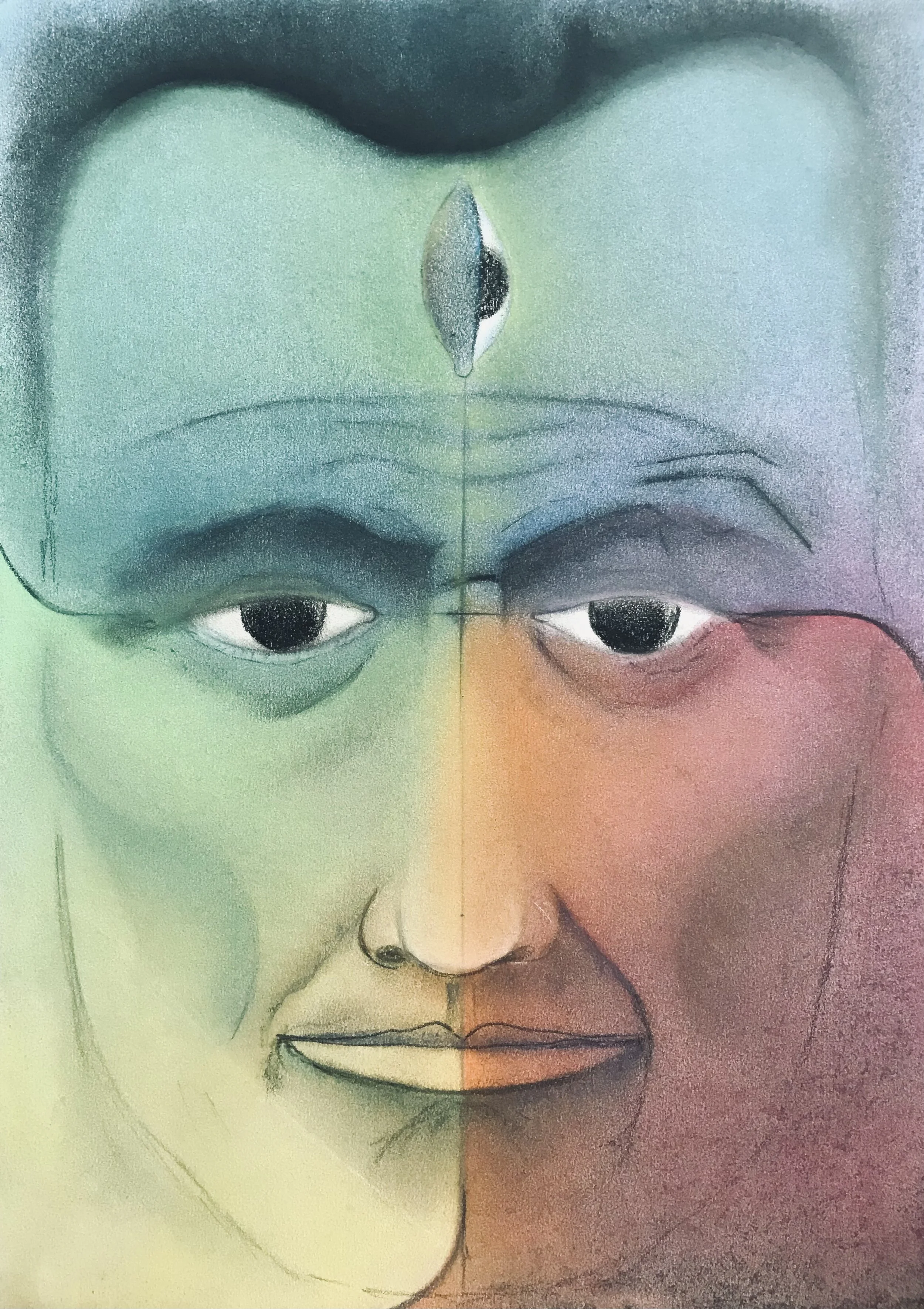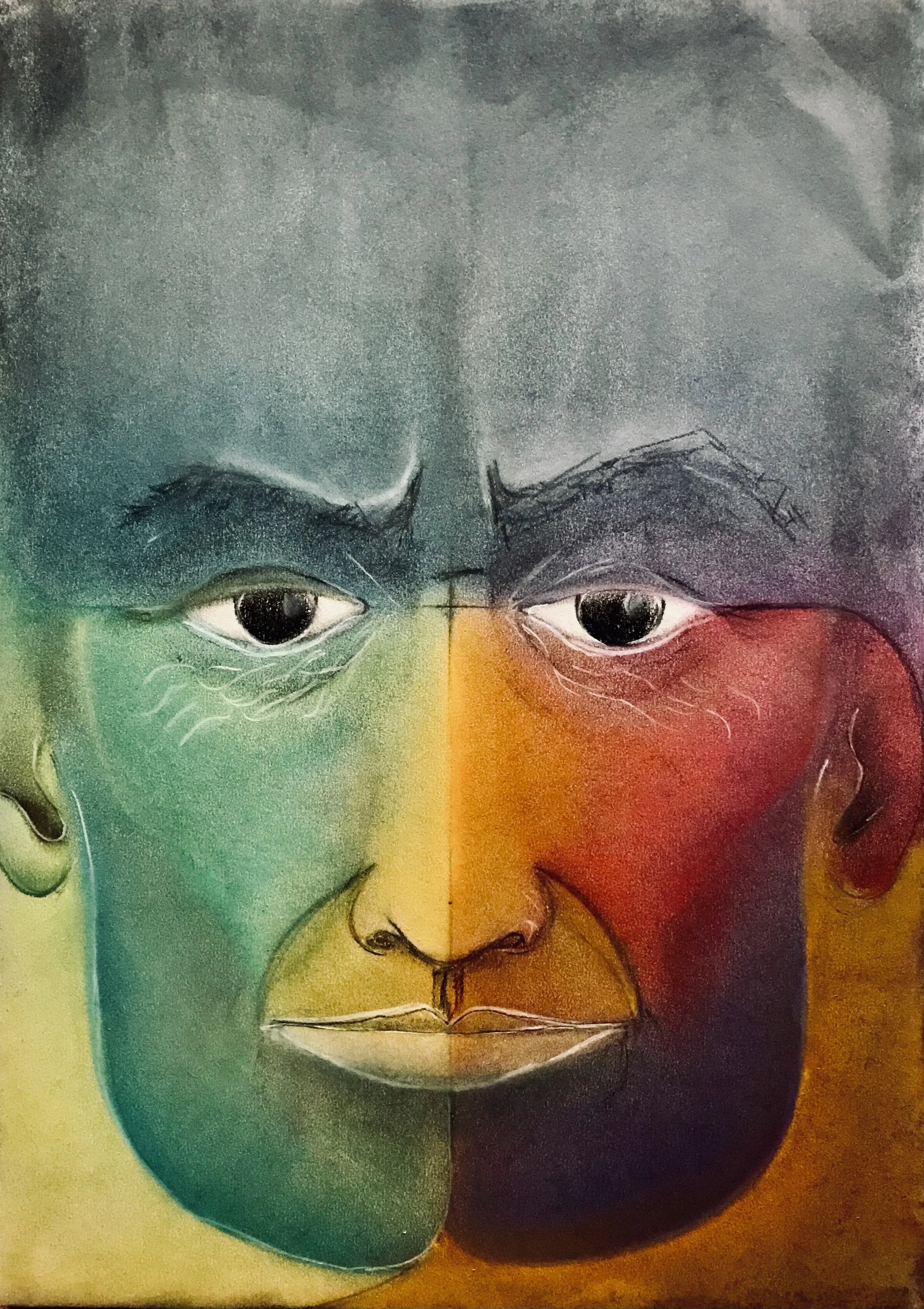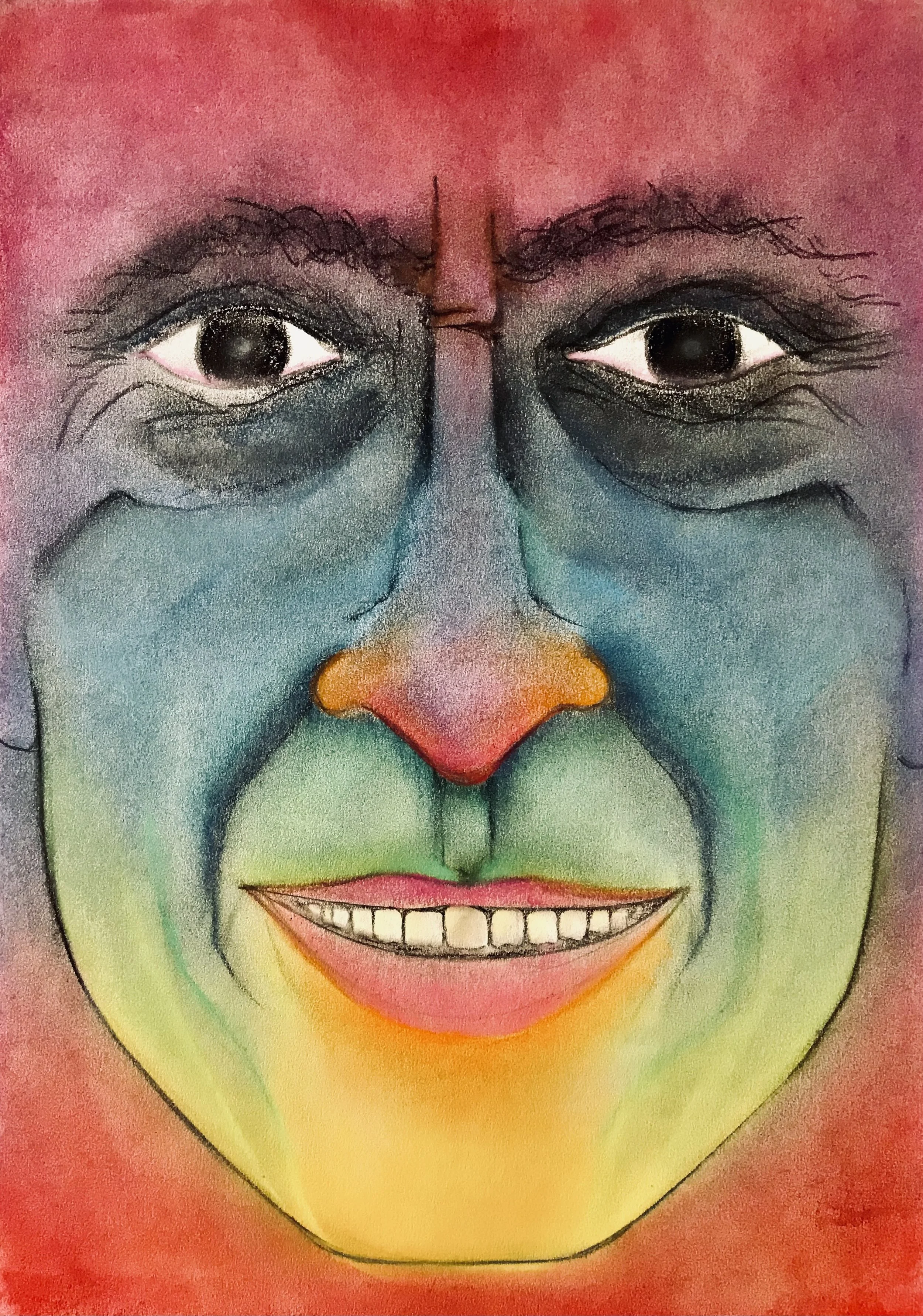



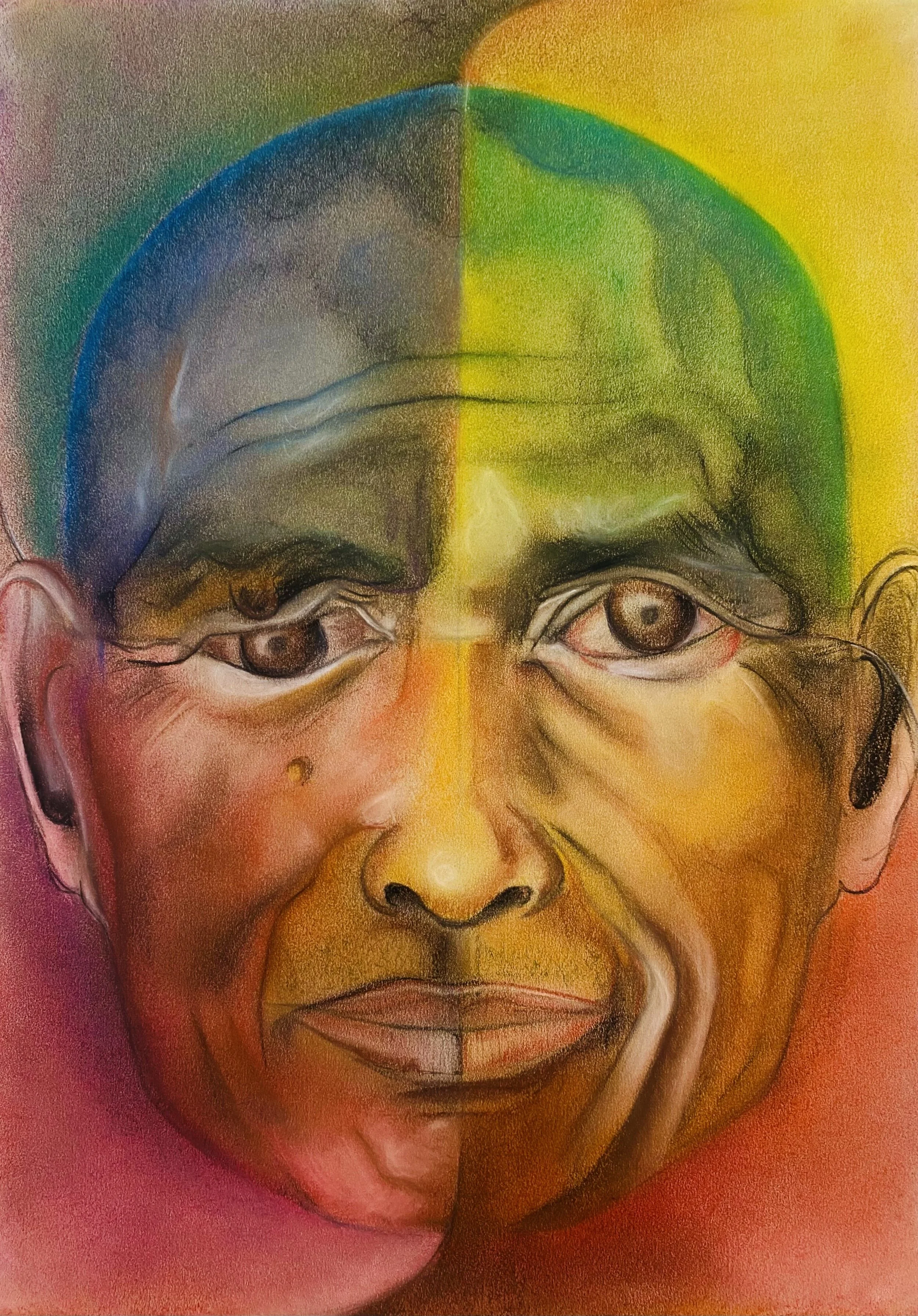

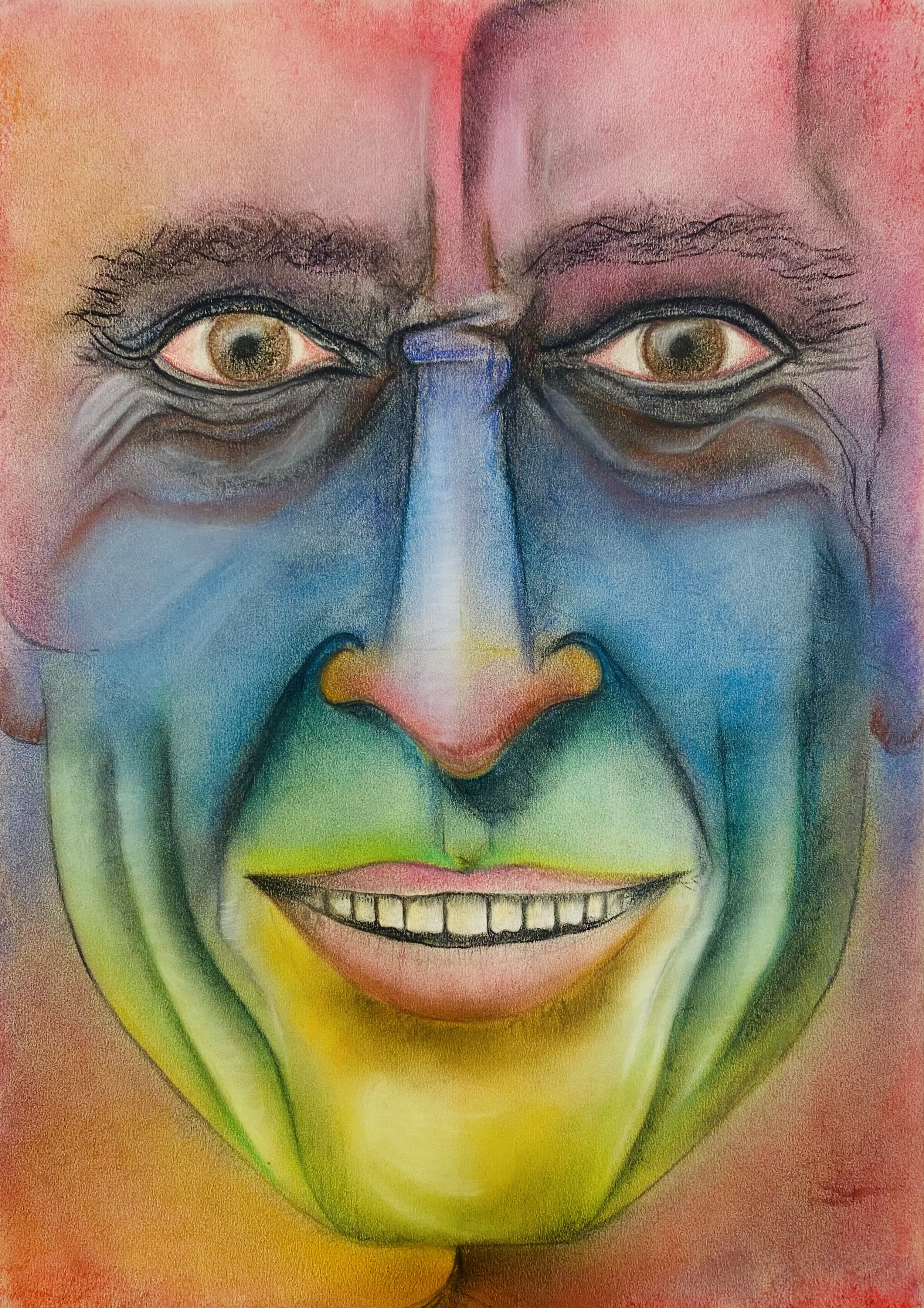

Emotions
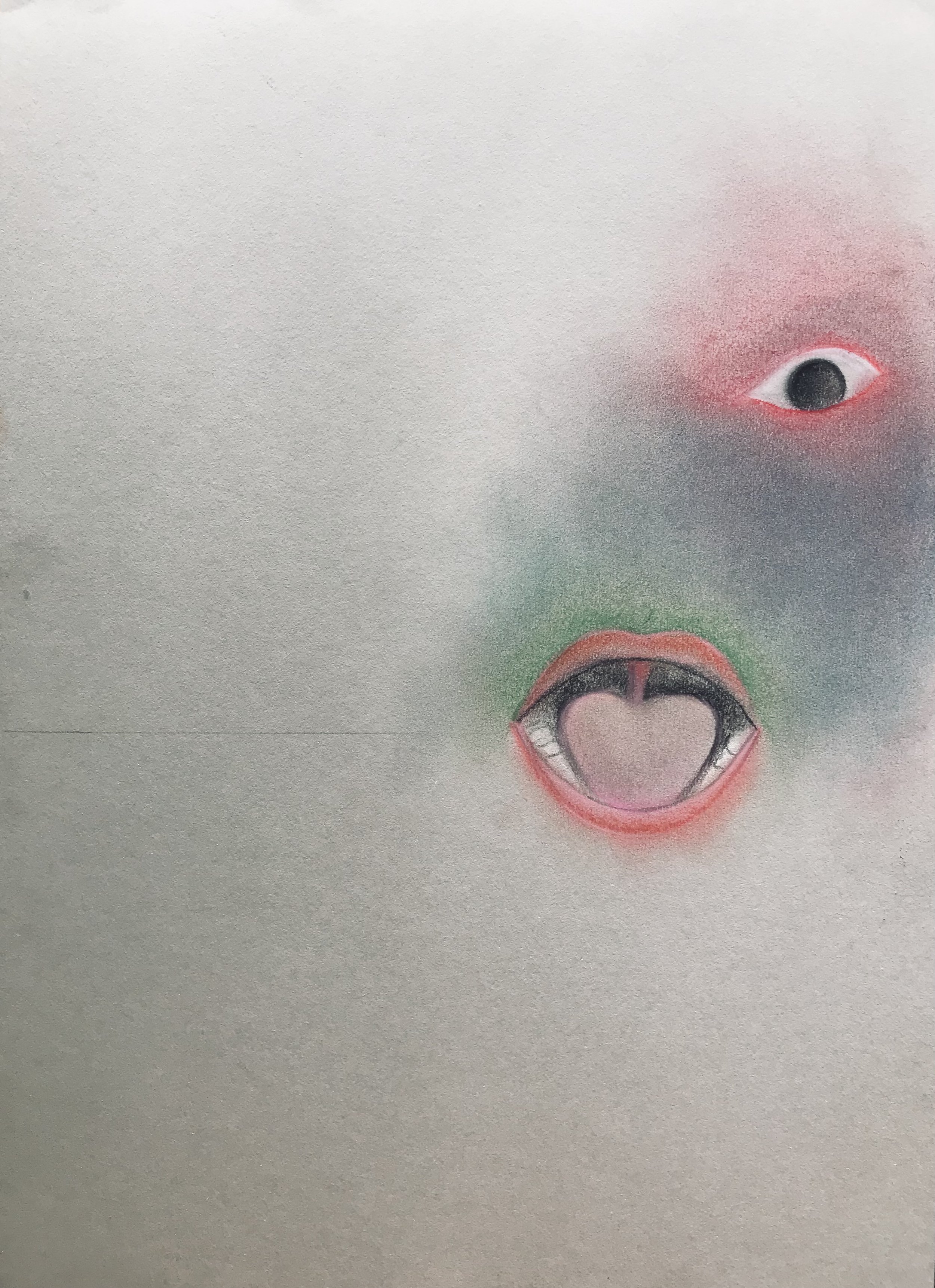
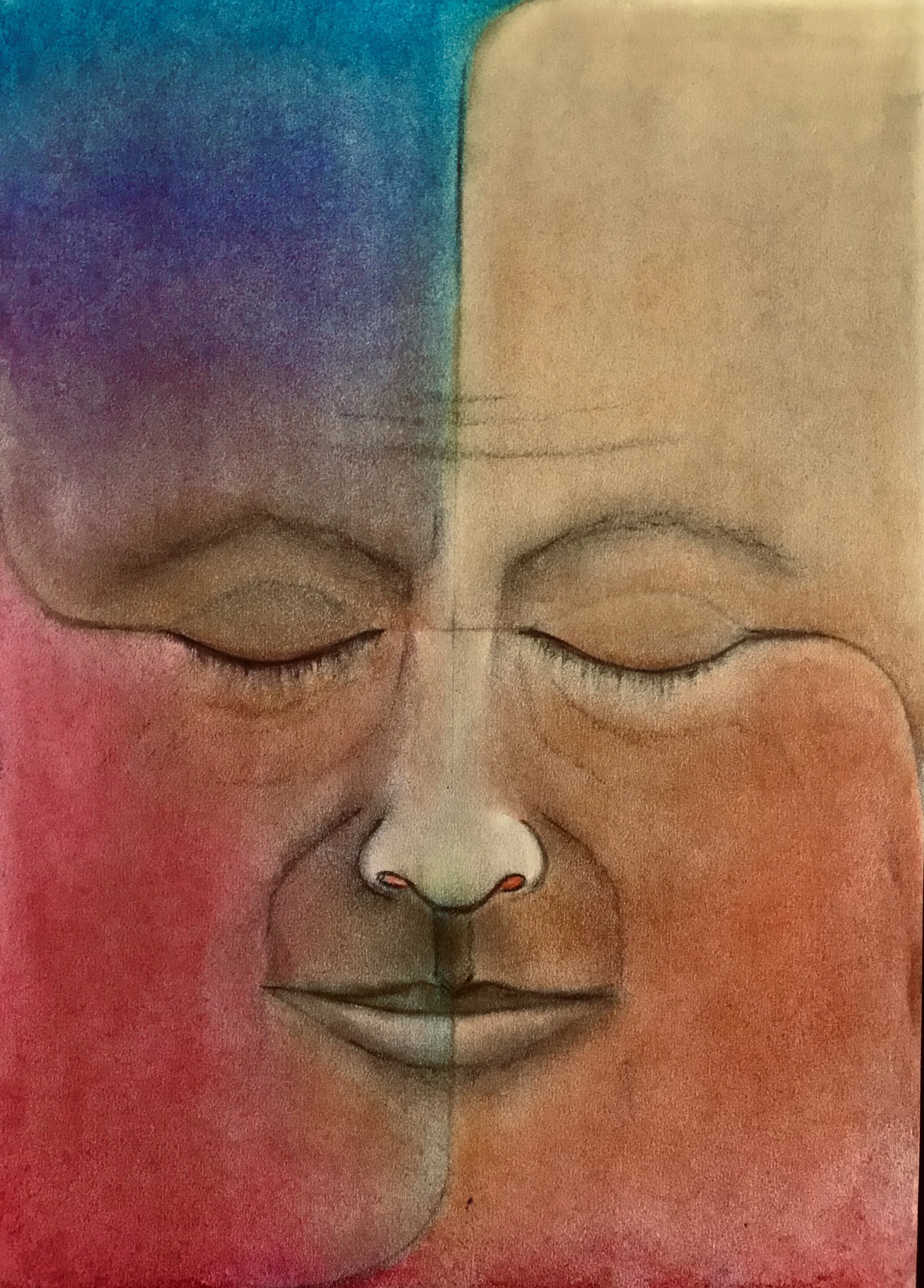
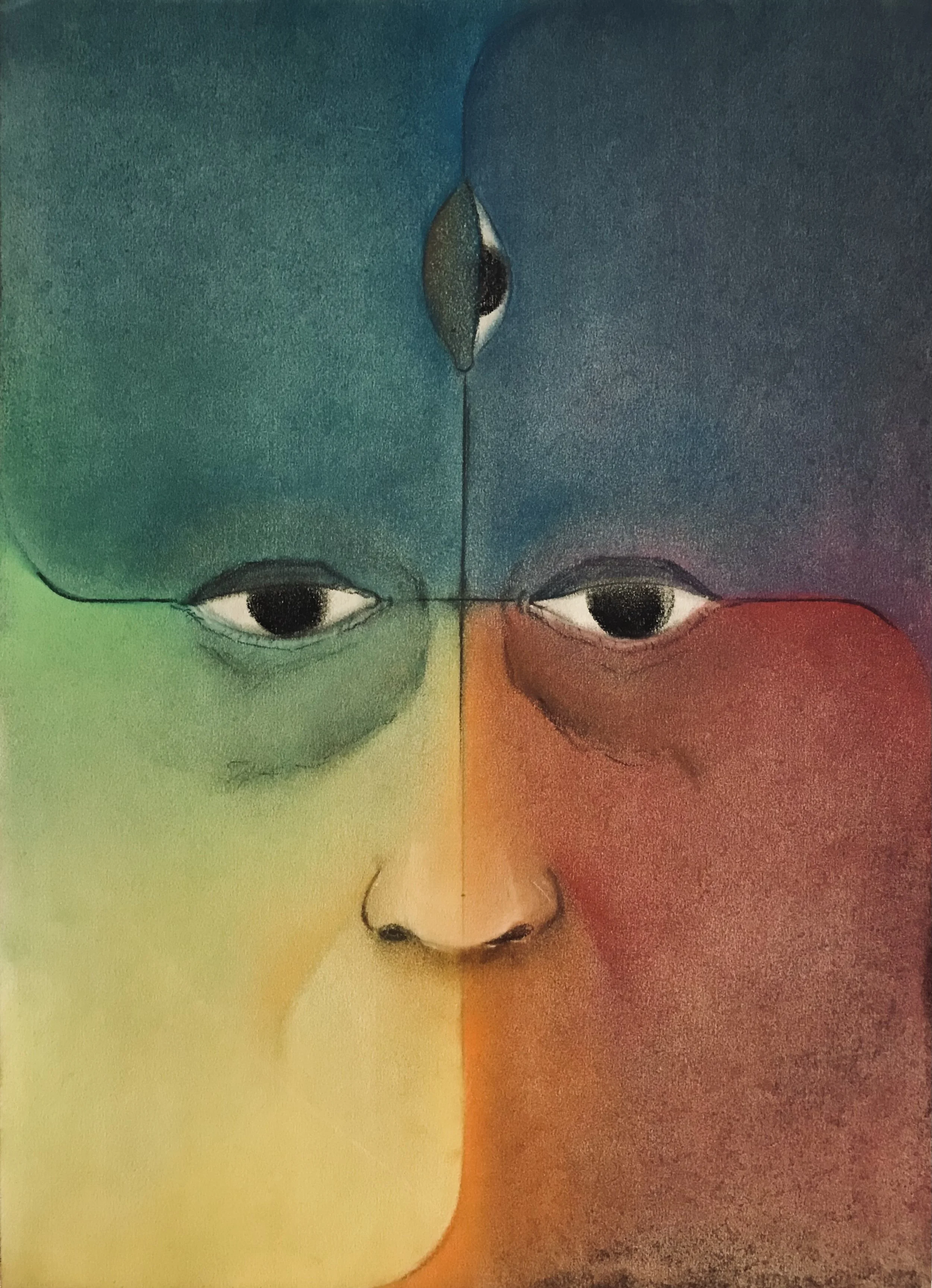
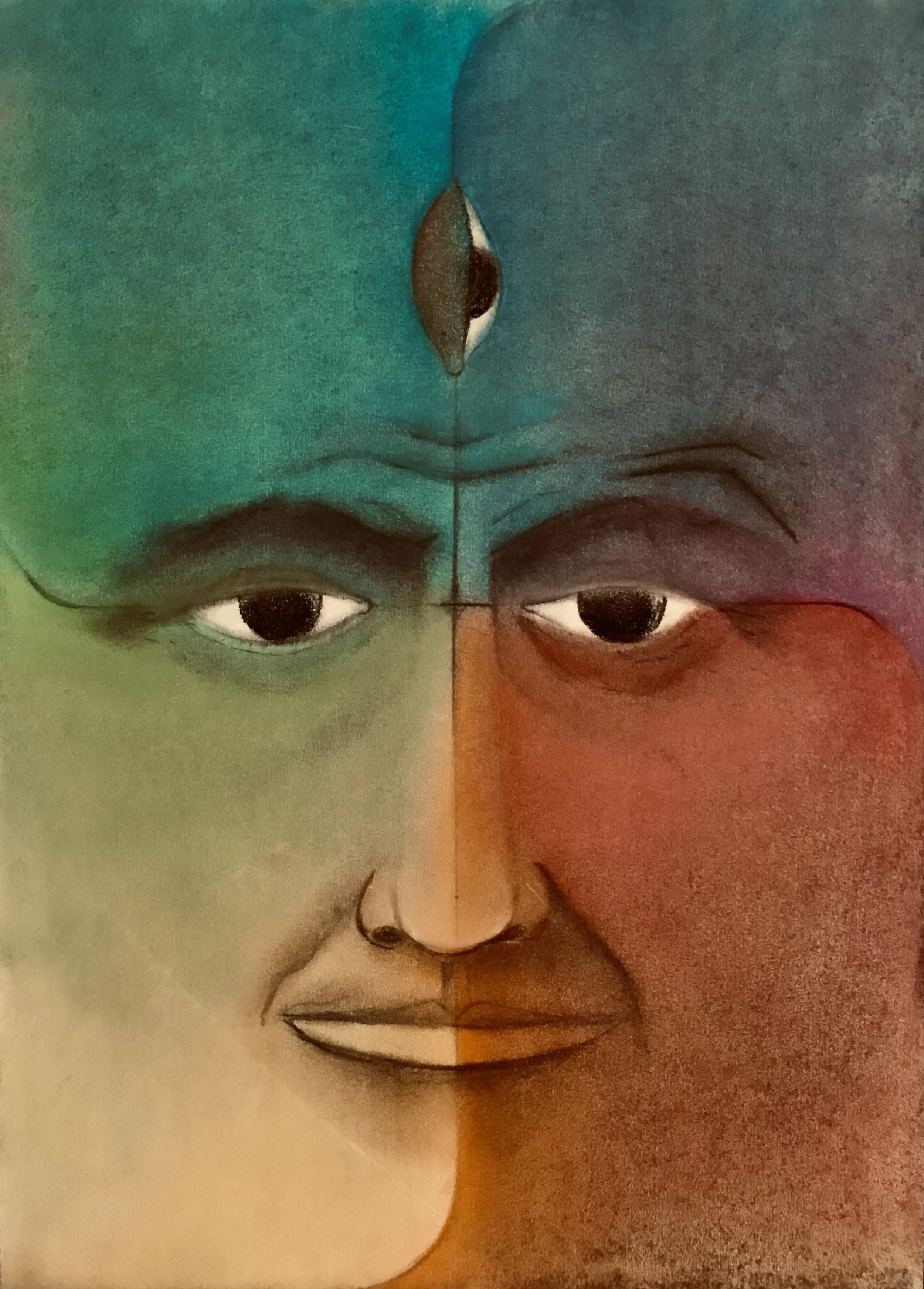
Human emotions ranging from fear to anger, joy to sadness, or surprise to disgust and contempt are a sign of unconscious anxieties in organizational systems. They are the life force, albeit in varying shades and intensities, that drive leadership effectiveness by calling forth the need for containment instead of denial, suppression or minimization and exaggeration. Noticing, naming, inquiring, and normalizing are some of the most essential dynamics of the work of leadership, where authority emerges from holding group affects to prevent defensive distortions. In a world where major role holders in the system, especially the C-suite, must undertake intense emotional labor, managing own feelings and others' amid high-stakes pressures like rapid expansion, sudden changes, gut-wrenching layoffs or crises. The tendency is to engage in holding back vulnerability and projecting forth confidence.
Systems psychodynamics sees emotions as collective defenses against task-related anxiety: for instance, fear can fuel dependency on leaders, anger might ignite fight-flight, joy-anticipation could form illusory hopes in pairing. Role holders in systems must contain these by transforming raw affects into productive energy rather than letting them rigidify boundaries or fragment roles, as holding back and distancing oneself has the potential to breed burnout and eroded trust.
Noticing bodily cues (clenched jaw - fear) and behavioral shifts (withdrawal - sadness), naming them precisely (frustrated vs. mad) to build emotional vocabulary, inquiring into needs ("What boundary is anger protecting?"), and normalizing ("I'm stressed too—we'll manage together"). This mirrors containment, fostering psychological safety where surprise sparks innovation without disgust-fueled exclusion.
In teams, unprocessed emotions organize unconsciously: trust-joy anoints compliant roles, unchecked disgust splits in/out groups. Effective leadership intervenes relationally, validating affects to revise roles fluidly, developing and deepening resilience— such a normalization boosts creativity, problem-solving, and health over suppression's morale drain.
Authority holds when leaders tolerate projected emotions (e.g., anger at change as surprise-disgust), maintaining boundaries against engulfment. Normalizing prevents "off-limits" myths, positioning emotions as data for influence—vital as AI handles analytics, leaving human containment as the core leadership edge.